
Search This Supplers Products:CNC Machining Service3D Pringting ServiceInjection Molding ServiceDie Casting ServiceMetal Sheet Fabrication Service
Anodizing: Durable Beauty Through Electrochemical Precision
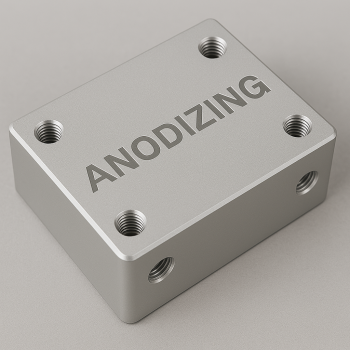


- group name
- Surface Finishing
- Min Order
- 1 piece
- brand name
- SOMI Custom Parts Manufacturer
- model
- Anodizing
- Nearest port for product export
- Rongqi Port, Shenzhen Port
- Delivery clauses under the trade mode
- FOB, CIF, EXW
- Acceptable payment methods
- T/T, PayPal, Westem Union, Cash
- update time
- Mon, 27 Jul 2026 11:59:51 GMT
Paramtents
Anodizing Color Black, Red, Blue, Gold, Silver,etc.....
Packging & Delivery
-
Min Order1 piece
Briefing
Detailed
Anodizing is an electrochemical process that enhances metal surfaces by forming a controlled oxide layer. It improves corrosion resistance, wear durability, and visual appeal—especially for aluminum components. Suitable: Aluminum, titanium, magnesium, zinc Not Recommended: Carbon steel, stainless steel (unless pre-treated), plastics At SOMI, anodizing is more than protection—it’s precision with personality. We offer custom color-matched finishes, hybrid treatments, and aerospace-grade durability for components that perform and impress.⚙️ Anodizing: Durable Beauty Through Electrochemical Precision
🧩 What Is Anodizing?
🔁 Process Workflow
🧪 Common Types of Anodizing
Type
Description
Oxide Thickness
Type I (Chromic Acid) Thin, soft layer for aerospace ~0.5–2.5 μm Type II (Sulfuric Acid) Standard decorative finish ~5–25 μm Type III (Hard Anodizing) Thick, wear-resistant layer ~25–150 μm 🎨 Color & Finish Options
🎯 Application Areas
💡 Technical Features
🔍 Pros vs. Cons
Advantages
Limitations
Durable oxide layer Limited to non-ferrous metals Vibrant, fade-resistant colors Requires precise control Lightweight protection Not ideal for steel Excellent paint adhesion Color depends on alloy 🛠️ Compatible Materials
🔗 Related Surface Treatments
Process
Comparison to Anodizing
Electroplating Metal layer added; better conductivity Powder Coating Thicker, flexible finish Passivation Chemical protection for stainless steel Electroless Plating Uniform metal layer on non-conductive surfaces 💬 SOMI’s Surface Engineering Vision